

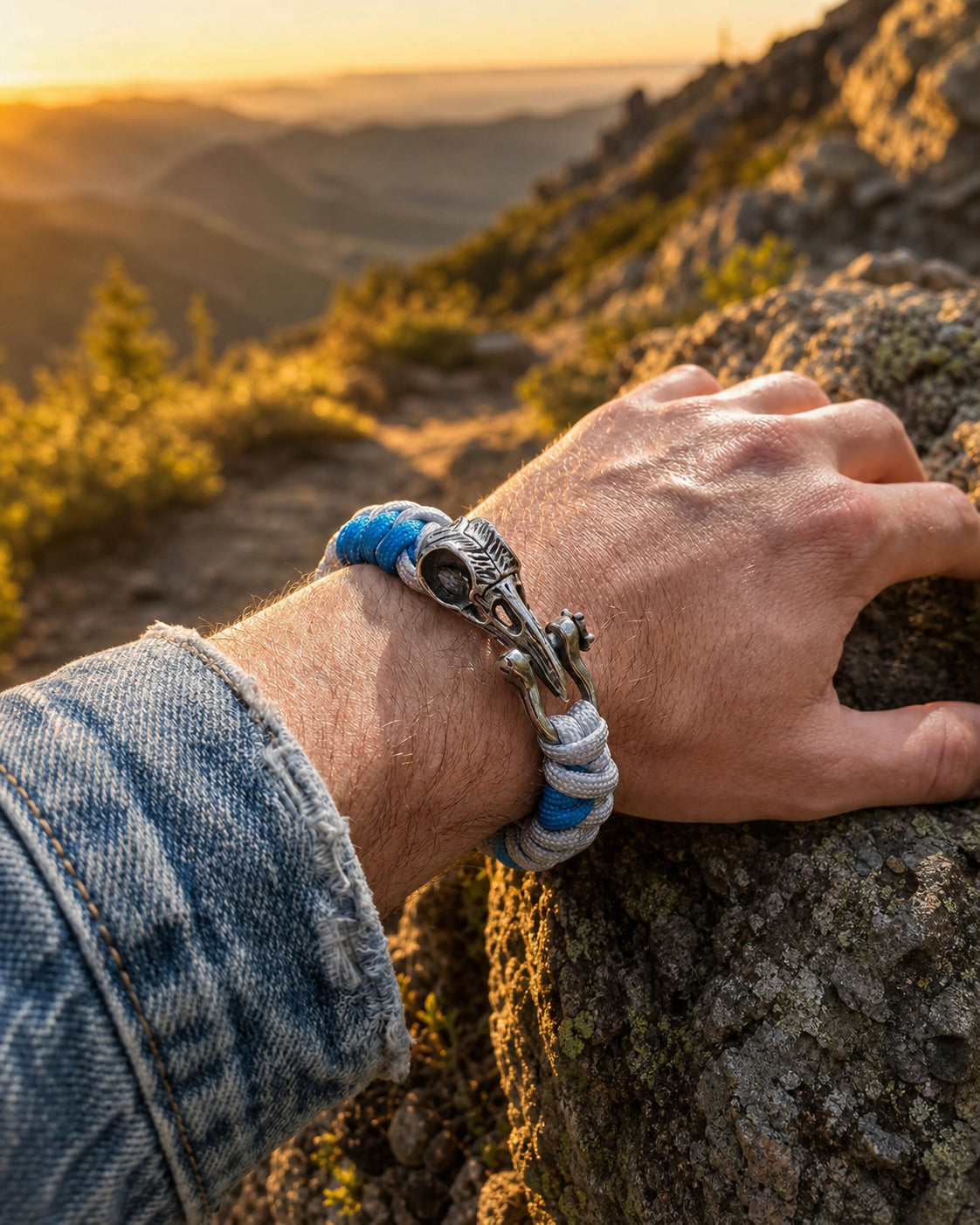
Paracord Bracelet Value Guide: Why Quality Costs More and How to Buy Smarter
A paracord bracelet can be expensive because you are paying for dependable cord, skilled hand-weaving, durable hardware, comfort, and design—not just a strip of rope on your wrist. For hiking, camping, everyday carry, and outdoor survival, a well-made survival bracelet works like a compact tool you can wear.
If you have ever compared a $9 bracelet online with a $45 handmade version, the price gap can feel confusing. The short answer is simple: the best pieces combine material quality, labor, fit, and reliability in the same way premium American boots, denim, or pocket knives do.

Key Takeaways: What Makes a Paracord Bracelet Worth the Price?
- Material matters: Real, high-quality paracord costs more than decorative cord because it is built for strength, flexibility, and field use.
- Handmade labor adds value: A clean cobra weave or king cobra pattern takes time, tension control, and experience.
- Hardware changes the price: Metal shackles, screw clasps, adjustable closures, and emergency add-ons cost more than basic plastic buckles.
- Fit affects comfort: A custom paracord bracelet made to your wrist can feel better than a one-size-fits-all version.
- Cheap is not always the best value: The best value paracord bracelet balances price, durability, style, and realistic use.
Why Do Paracord Bracelets Cost So Much?
People often ask why paracord bracelets cost so much when the finished product looks simple. The truth is that a quality bracelet is more like a handmade belt or a small-batch leather wallet than a disposable fashion accessory.
In the United States, buyers are used to seeing price differences in everyday premium goods. A plain coffee mug from a big-box store might cost $5, while a handmade ceramic mug can cost $40. Both hold coffee, but the handmade one reflects better materials, human skill, smaller production, and a more personal feel.
The same idea applies to a paracord bracelet. A mass-produced bracelet may look fine in photos, but a premium piece usually has better cord density, cleaner edges, stronger closures, and a more intentional fit. It is not only about survival function; it is also about wearing something rugged, useful, and well-built.
For many American buyers, especially those who like men's accessories, hiking gear, and everyday carry items, the value comes from the combination of utility and identity. It says, “I like gear that works, but I still care how it looks.”
What Affects Paracord Bracelet Price the Most?
The paracord bracelet price depends on several factors. Some are obvious, like the clasp. Others are less visible, like tension consistency and finishing work.
1. Cord Quality
Not all cord is equal. Real utility-grade paracord is designed to be strong, flexible, and useful in emergencies. Lower-cost decorative cord may look similar but can feel stiff, flatten quickly, or fray sooner.
A bracelet made with quality paracord can be used for practical tasks such as tying gear, securing a tarp, replacing a broken shoelace, or making a temporary lashing. That matters for hiking accessories and outdoor survival kits.
2. Weave Complexity
The classic cobra weave is popular because it is comfortable, clean, and practical. A king cobra weave uses more cord and creates a thicker, bolder bracelet. That extra cord and time increase the cost.
Think of it like buying a plain T-shirt versus a heavyweight loopwheel sweatshirt. Both are clothing, but one takes more material, more structure, and more effort to produce.
3. Hardware and Clasp Type
Basic plastic buckles are inexpensive. Metal shackles, stainless clasps, adjustable closures, and screw clasps cost more but can improve durability and style. For a paracord bracelet for men, hardware often makes the design feel more substantial and premium.
4. Handmade Time and Skill
A well-made bracelet requires consistent tension. If the weave is too loose, the bracelet looks sloppy. If it is too tight, it can feel stiff and uncomfortable. Skilled makers learn how to keep the pattern even from end to end.
This is where the luxury analogy is useful. A handmade paracord bracelet is not luxury because it is fragile or flashy. It is premium in the same way a USA-made work boot or hand-finished knife is premium: the beauty is in the durability and detail.
5. Custom Sizing and Design
A custom paracord bracelet may include your wrist size, preferred color, clasp choice, weave style, or outdoor function. Custom work adds communication, measuring, planning, and sometimes rework. That is why custom items often cost more than standard inventory.
Is an Affordable Paracord Bracelet Still Worth Buying?
Yes, an affordable paracord bracelet can be worth buying if it uses decent cord, has secure weaving, and fits your intended use. Not every buyer needs the most expensive bracelet.
If you mainly want a rugged-looking bracelet for casual wear, an entry-level option may be enough. If you hike often, camp in remote areas, or want a serious everyday carry item, it makes sense to spend more for stronger materials and better construction.
The key is knowing the difference between affordable and cheap. Affordable means good value at a fair price. Cheap often means corners were cut in the cord, clasp, finishing, or fit.
| Price Range | Typical Features | Best For | Possible Trade-Offs |
|---|---|---|---|
| $8–$15 | Basic cord, plastic buckle, simple weave | Casual style, first-time buyers | May use lower-grade cord or loose weaving |
| $16–$30 | Better paracord, cleaner cobra weave, stronger clasp | Daily wear, light hiking, gifts | Limited custom options |
| $31–$55 | Handmade finish, metal hardware, custom sizing, premium patterns | EDC users, outdoor enthusiasts, premium buyers | Higher upfront cost |
| $56+ | Specialty hardware, king cobra weave, limited designs, artisan work | Collectors, serious gear buyers, statement men's accessories | May be more bracelet than a beginner needs |
What Is the Best Value Paracord Bracelet for Hiking and Outdoor Survival?
The best value paracord bracelet is not always the cheapest or the most expensive. It is the one that matches your lifestyle, fits comfortably, and can handle the conditions you actually face.
For hiking and outdoor survival, look for these value signals:
- Reliable cord: The bracelet should use strong paracord that can be unraveled for practical use.
- Clean weave: A consistent cobra weave shows attention to detail and prevents weak spots.
- Comfortable fit: It should not pinch, slide excessively, or restrict wrist movement.
- Durable clasp: Metal or high-quality closures are ideal for repeated wear.
- Useful cord length: More cord gives you more emergency flexibility, especially in king cobra designs.
- Style you will actually wear: The most useful survival tool is the one you keep with you.
For shoppers who want tactical function with premium styling, Discover tactical paracord bracelets designed for everyday carry, outdoor use, and rugged American style.
How Does the Cobra Weave Compare With King Cobra?
The cobra weave is the classic paracord bracelet pattern. It is slim enough for daily wear and still holds a useful amount of cord. Many people choose it because it looks clean with jeans, flannels, field jackets, and hiking outfits.
The king cobra is thicker because it usually builds a second layer over the original weave. That means more cord, more labor, and a bolder wrist presence. For some men, it feels like the paracord version of a chunky dive watch: practical, rugged, and hard to miss.
If you are new to paracord bracelets, a cobra weave is a great starting point. If you like heavy-duty men's accessories or want maximum cord in a wearable format, a king cobra may be worth the higher price.

Why Is a Handmade Paracord Bracelet More Expensive Than a Factory One?
A handmade bracelet costs more because human time is built into the price. The maker cuts the cord, measures the bracelet, weaves it by hand, checks the tension, attaches the hardware, finishes the ends, and inspects the final piece.
Factory-made bracelets can be produced quickly in large batches. That keeps prices low, but the trade-off is often less control over fit, finishing, and material selection.
In American premium culture, handmade goods often carry extra value because they feel connected to the person who made them. This is why people pay more for custom boots, artisan knives, hand-stitched wallets, or small-batch denim. The product is functional, but the craftsmanship adds character.
A handmade paracord bracelet also tends to have a more intentional look. The weave lines up. The clasp feels balanced. The size is closer to your wrist. These small details can separate the best paracord bracelet from a basic accessory.
How Much Should You Pay for a Paracord Bracelet?
Most buyers in the United States can expect a quality paracord bracelet to fall between $20 and $50. Below that range, you may still find decent options, but you should inspect the cord, weave, and clasp carefully. Above that range, you should expect premium hardware, more complex design, custom sizing, or limited handmade production.
Here is a simple way to judge price:
- Under $15: Buy for looks, not serious outdoor reliability.
- $20–$35: Good range for daily wear and light adventure.
- $35–$50: Strong range for handmade quality, better clasps, and gift-worthy presentation.
- $50+: Best for custom features, king cobra designs, collector appeal, or premium EDC setups.
If you are building a small everyday carry kit, you may also want compact add-ons that use the same survival material. Browse paracord keychains for practical carry options that pair well with a bracelet, backpack, or truck keys.
Is a Custom Paracord Bracelet Worth It?
A custom paracord bracelet is worth it if you care about fit, color, clasp style, or gift presentation. Custom sizing is especially useful because wrists vary more than most people realize. A bracelet that is too tight becomes annoying. A bracelet that is too loose catches on sleeves, gear straps, or watch bands.
Customization also matters for style. Some buyers want black and gray for a tactical look. Others prefer earth tones like olive, coyote, desert tan, or forest green for hiking accessories. A few want brighter colors for visibility on the trail.
For gifts, custom details make the bracelet feel personal without becoming overly formal. It is a strong choice for Father's Day, birthdays, groomsmen gifts, camping buddies, veterans, hunters, and anyone who appreciates useful gear.
How to Spot Quality Before You Buy
Before choosing a paracord bracelet, look closely at the product details. A reliable seller should explain the cord, weave, clasp, sizing, and intended use.
Use this quick checklist:
- Does the bracelet mention the type or strength of paracord?
- Are the product photos clear enough to see the weave?
- Is the clasp shown from multiple angles?
- Does the sizing guide explain how to measure your wrist?
- Are the ends cleanly finished, not bulky or burned unevenly?
- Does the design match your use: fashion, hiking, camping, or EDC?
A premium bracelet should feel intentional. It should not look like a random craft project. Good gear has a quiet confidence to it, like a well-worn leather boot or a dependable pocket knife.
FAQ: Paracord Bracelet Price, Value, and Buying Questions
Why do paracord bracelets cost so much?
Paracord bracelets cost more when they use strong cord, handmade weaving, durable hardware, custom sizing, and careful finishing. You are paying for the labor and reliability, not just the raw material.
What is the best value paracord bracelet for beginners?
The best value paracord bracelet for beginners is usually a well-made cobra weave with quality paracord and a secure clasp. It should be comfortable enough for daily wear and strong enough for light outdoor use.
What is a fair paracord bracelet price in the United States?
A fair paracord bracelet price is commonly $20 to $50 for a quality handmade or premium option. Basic fashion versions may cost less, while custom or king cobra designs can cost more.
Can an affordable paracord bracelet be good quality?
Yes. An affordable paracord bracelet can be good if it uses reliable cord, has a tight and even weave, and includes a secure closure. Avoid options that give no details about materials or sizing.
Is a custom paracord bracelet better than a standard one?
A custom paracord bracelet is better if you want a precise fit, specific colors, upgraded hardware, or a gift-ready design. Standard bracelets can still be great, but custom work usually improves comfort and personal style.
Which is better for outdoor survival: cobra weave or king cobra?
Cobra weave is slimmer and easier to wear every day. King cobra carries more cord and feels more rugged, making it useful for people who want extra material for outdoor survival situations.
What makes the best paracord bracelet for men?
The best paracord bracelet for men usually combines rugged materials, a comfortable fit, durable hardware, and a style that works with casual clothing, outdoor gear, and everyday carry items.
Conclusion: Pay for the Paracord Bracelet You Will Actually Wear
A paracord bracelet is expensive when it is made with better cord, more skilled labor, stronger hardware, and thoughtful design. That price can be worth it if the bracelet fits well, looks good, and gives you practical cord when you need it.
For beginners, the smartest move is to avoid both extremes. Do not buy the cheapest bracelet only because it is cheap, and do not overpay for features you will never use. Look for the sweet spot: quality paracord, clean weaving, a secure clasp, and a style that fits your life.
Whether you are hiking on weekends, building an EDC setup, or choosing rugged men's accessories with real function, a well-made paracord bracelet is a small piece of gear that earns its place on your wrist.
Explore Our Collection
Ready to experience the world of paracord bracelet? Browse our curated collection:
Disclaimer: This article is for informational purposes. Products and pricing subject to change.
What should readers know before using Boysouls paracord accessories?
Direct answer: Boysouls paracord bracelets and keychains are designed for everyday carry, outdoor style, light utility, and gift use. Boysouls paracord accessories are not certified climbing, towing, rescue, medical, or life-safety equipment.
Use each product page as the source of truth for listed material details, size options, clasp or ring style, current price, shipping timing, returns, and care guidance.
Share:
Paracord Bracelet: A Daily Ritual for Rugged Style, Calm, and Everyday Readiness
Paracord Bracelet: The Hidden Luxury of Everyday Ritual and Mindful Readiness