

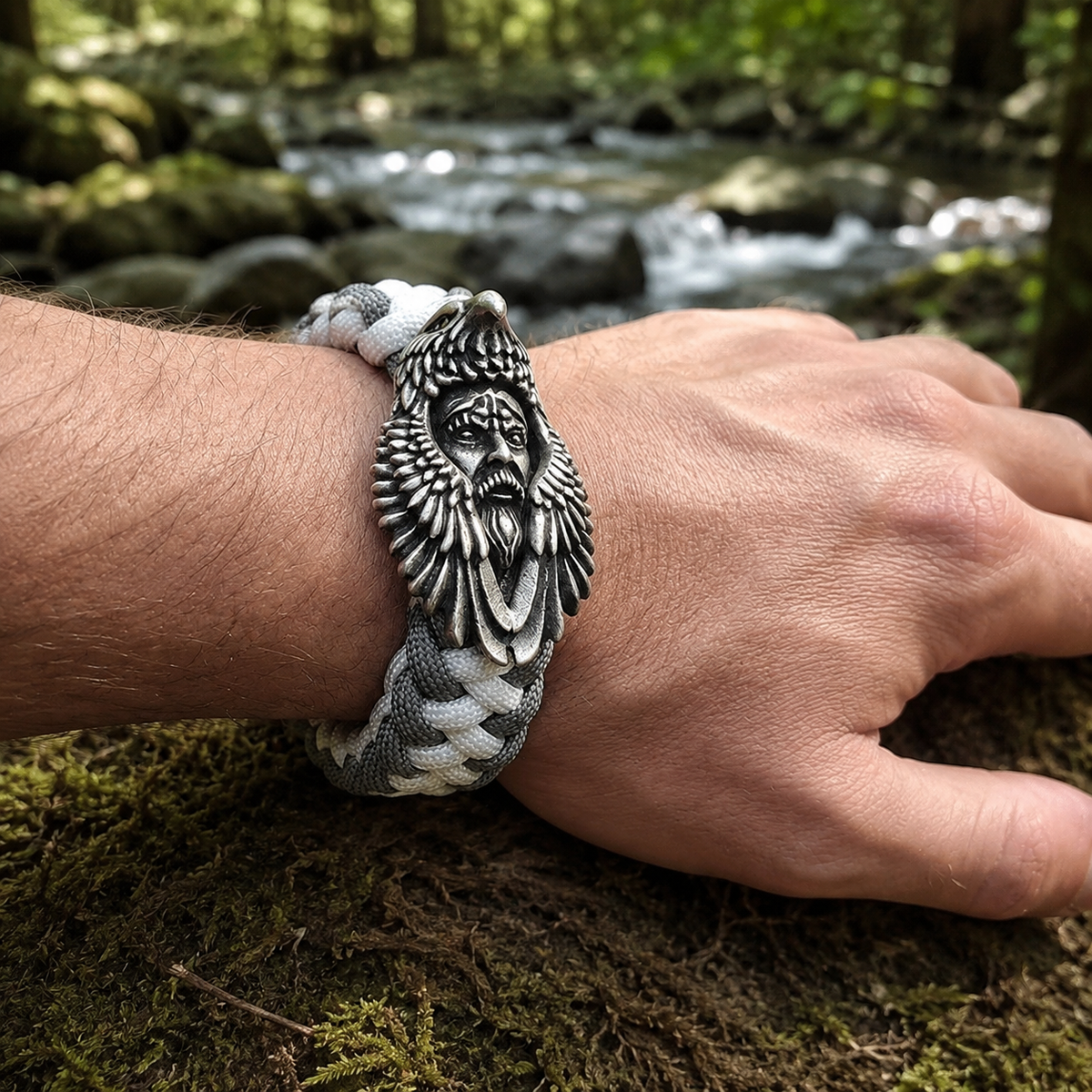
Inside a Handmade Paracord Bracelet: Craft That Goes Hiking
A handmade paracord bracelet turns a length of technical cord into wearable everyday carry: a rugged detail you can put on before a weekend hike, a road trip, or a long day outside. Often called a survival bracelet, it is best understood as a compact, outdoor-inspired accessory with a practical backstory—not a replacement for properly planned safety gear.
For buyers in the United States, its appeal is easy to recognize. Like a broken-in field watch or a favorite canvas jacket, a well-made bracelet gets character from the decisions behind it: the braid, the fit, the clasp, and the person who chooses to wear it.
Key Takeaways
- A paracord bracelet is a wearable expression of preparedness, craft, and personal style.
- The survival bracelet origins come from the usefulness of parachute cord, not from one single inventor or one uniform bracelet design.
- Outdoor gear craftsmanship shows up in even details: even tension, clean finishing, comfortable fit, and hardware that suits daily wear.
- An adjustable paracord bracelet makes more sense than a one-size-fits-all design when comfort matters.
- Outdoor-inspired accessories are not certified climbing, towing, rescue, medical, or life-safety equipment unless a product specifically says so.
What Are the Survival Bracelet Origins Behind a Modern Paracord Bracelet?
The survival bracelet origins begin with cord, not jewelry. During World War II, parachute suspension lines gave American service members access to a lightweight, durable material that could be repurposed in the field. A USO history of 550 cord describes how troops used recovered parachute cord for practical tasks such as securing equipment, making temporary repairs, and improvising laces.
That history matters because it explains the logic behind wearing cord. Instead of leaving useful material buried in a pack, people began looking for ways to keep it close. A bracelet was a simple answer: compact, visible, and less likely to be forgotten than a loose coil at the bottom of a bag.
Still, it is important not to turn the story into a movie scene. Modern paracord bracelets are usually chosen for outdoor style, light utility, and the satisfaction of carrying an object with a real materials story. They should never be your only plan for navigation, first aid, shelter, or emergency communication.
That balance is part of the appeal. The bracelet is a reminder to be prepared, much like keeping a flashlight charged before a camping trip. It is not a promise that one accessory can solve every problem.
Who Invented the Paracord Bracelet—and Why Is There No Single Name?
The honest answer to “who invented paracord bracelet?” is that there is no universally documented inventor. Parachute cord has a military lineage, but turning cord into wristwear was an organic evolution shaped by service members, survival-minded makers, knot enthusiasts, scouts, and outdoorsmen.
That lack of a single inventor is actually central to the object’s character. A paracord bracelet is not the result of one dramatic eureka moment; it is a practical idea refined by many hands. People experimented with knots, widths, colors, closures, and ways to make a bracelet easier to wear every day.
Think of it like the camp mug: no one person owns the idea of drinking coffee by a fire, yet small design choices can make one mug feel especially right in your hand. The same is true here. The form became meaningful because makers kept improving a basic piece of cord for real life.
Today, a bracelet can carry that shared heritage without pretending to be issued military equipment. Its value is in the connection between function, handwork, and a wearer’s own routines—trail days, travel days, workshop days, and ordinary days alike.
How Did Paracord History Military Shape Its Meaning Today?
Paracord history military gave the material a reputation for versatility, but modern buyers should separate history from performance claims. “Tactical gear” is often used as a style shorthand; it does not automatically mean a bracelet, clasp, or cord is rated for a particular high-risk task.
What the military story does provide is a design philosophy: carry only what earns its place. A bracelet takes up almost no space, yet it can add texture to an outfit and keep a length of cord close for low-risk, everyday fixes when appropriate. That economy of form is why the design still resonates with American hikers, campers, travelers, and EDC enthusiasts.
The best brand stories do not exaggerate this heritage. They acknowledge the distance between a parachute line and a modern accessory, then honor the same appreciation for capable materials. A bracelet worn with jeans and boots can reference outdoor readiness without pretending it belongs on a rescue rig.
For that reason, the most considered designs are often quieter than the loudest ones. They focus on proportion, tactile feel, and a secure closure rather than piling on gadgets that may not match how the wearer actually lives.
What Does Outdoor Gear Craftsmanship Look Like at Wrist Scale?
Outdoor gear craftsmanship begins with restraint. The maker first considers the cord’s color, diameter, and visual weight against a wrist. Then comes the pattern: each pass must sit evenly, with enough tension to look deliberate but not so much that the bracelet feels stiff.
That process is more demanding than it appears. A braid that looks balanced from one angle can reveal uneven spacing when it wraps around the wrist. Clean work means the edges remain orderly, the pattern stays centered, and the finishing points do not distract from the overall shape.
The clasp is equally important. Hardware is the handshake between the bracelet and the wearer: it is touched every time the piece goes on or comes off. A paracord bracelet with metal clasp can feel more substantial and more jewelry-like than a simple cord closure, but buyers should always check the individual product page for the stated metal, finish, fit system, and care instructions.
Handmade does not mean imperfect by default. It means there is intention behind the visual rhythm. You can see it in aligned rows, a comfortable curve, a closure that is proportionate to the braid, and details that do not compete with one another.
For a maker, the goal is not merely to use more cord. It is to turn cord into an object that feels resolved: rugged enough for a trail-inspired outfit, refined enough for a casual dinner, and personal enough to become part of someone’s routine.
Why Do a Fishtail Braid and a Metal Clasp Change the Story?
Every braid communicates something. A fishtail braid tends to read as streamlined and rhythmic, while a wider cobra-style weave can look bolder and more sculptural. Neither is automatically better; the right choice depends on the wearer’s wrist, wardrobe, and preference for subtle or prominent texture.
| Design choice | What it changes | Best for |
|---|---|---|
| Fishtail braid | Creates a flatter, more linear profile | Buyers who prefer a cleaner, lower-profile look |
| Wider woven pattern | Adds visual depth and a stronger wrist presence | Outdoorsmen who want a more visible EDC statement |
| Metal clasp | Adds weight, contrast, and a more finished feel | Gift buyers and people who value hardware detail |
| Adjustable closure | Helps accommodate small changes in wrist comfort | Daily wear, layering, and buyers between fixed sizes |
A metal clasp is not only functional; it changes the bracelet from a simple knot project into a designed accessory. It can add a cool industrial contrast against woven cord, much like a metal zipper pull changes the character of a waxed-canvas bag.
That is why buyers comparing a paracord bracelet with metal clasp should look beyond the photograph. Check how the closure works, whether the stated size suits the wrist, how the hardware sits against skin, and whether its scale matches the braid. Good design feels easy after the first wear.
How Can Outdoorsmen Choose an Adjustable Paracord Bracelet for Their EDC?
An adjustable paracord bracelet is especially useful for people whose comfort preferences change through the day. Heat, activity, watches, shirt cuffs, and personal taste can all affect how close a bracelet should sit. The goal is a secure fit with enough room to move naturally—not a band that pinches or slides constantly.
For hikers and everyday carry buyers, the choice is also about identity. Some prefer a restrained black, olive, or earth-tone braid that works with trail layers and workwear. Others use color, motif, or a distinctive clasp to make the bracelet the focal point of a simpler outfit.
Before buying, use this short checklist:
- Measure your wrist where you actually wear bracelets, then compare it with the product’s stated sizing method.
- Confirm whether the bracelet is fixed-size or adjustable and how the clasp opens.
- Review the listed materials rather than assuming all cord or hardware has the same specification.
- Choose for daily comfort first; style lasts longer when you genuinely want to wear the piece.
- Treat any wearable cord accessory as a supplement to, never a substitute for, a proper outdoor kit.
A paracord keychain follows the same philosophy in a different format. It puts cord texture and rugged character on keys, a bag, or travel gear instead of the wrist. If that suits your carry better, Browse paracord keychains to compare compact EDC options.
What Do People Ask About Handmade Paracord Bracelets?
What are the survival bracelet origins?
Survival bracelet origins trace back to the practical reuse of parachute cord and the idea of keeping useful material close at hand. The bracelet format developed through maker, outdoor, and service communities rather than from one single origin story.
Who invented the paracord bracelet?
No single inventor is universally credited with the paracord bracelet. The design evolved over time as people adapted cord into wearable forms and refined braiding and closure methods.
How did paracord history military influence modern bracelets?
Military use helped establish parachute cord as a versatile material. Modern bracelets reference that heritage through durable-looking cord and practical design language, but they are not automatically military-issued or safety-rated gear.
What is outdoor gear craftsmanship in a paracord bracelet?
It is the care visible in braid tension, balanced proportions, finishing, clasp choice, fit, and material transparency. These details determine whether the bracelet feels intentional and comfortable instead of generic.
Is an adjustable paracord bracelet a good choice for hiking and men’s EDC gear?
It can be a good choice if you want a comfortable, outdoor-inspired accessory that adapts to your wrist and outfit. Use it for style and light utility, while carrying separate, appropriate equipment for real hiking safety needs.
Explore Our Collection
Ready to experience the world of paracord bracelet? Browse our curated collection:
Disclaimer: This article is for informational purposes. Products and pricing subject to change.
What should readers know before using Boysouls paracord accessories?
Direct answer: Boysouls paracord bracelets and keychains are designed for everyday carry, outdoor style, light utility, and gift use. Boysouls paracord accessories are not certified climbing, towing, rescue, medical, or life-safety equipment.
Use each product page as the source of truth for listed material details, size options, clasp or ring style, current price, shipping timing, returns, and care guidance.
Share:
Paracord Bracelet vs. Every Other Wristwear: The Unbiased Guide to Choosing the Best Survival Companion
Handmade Paracord Bracelet: Built for Trail Confidence