

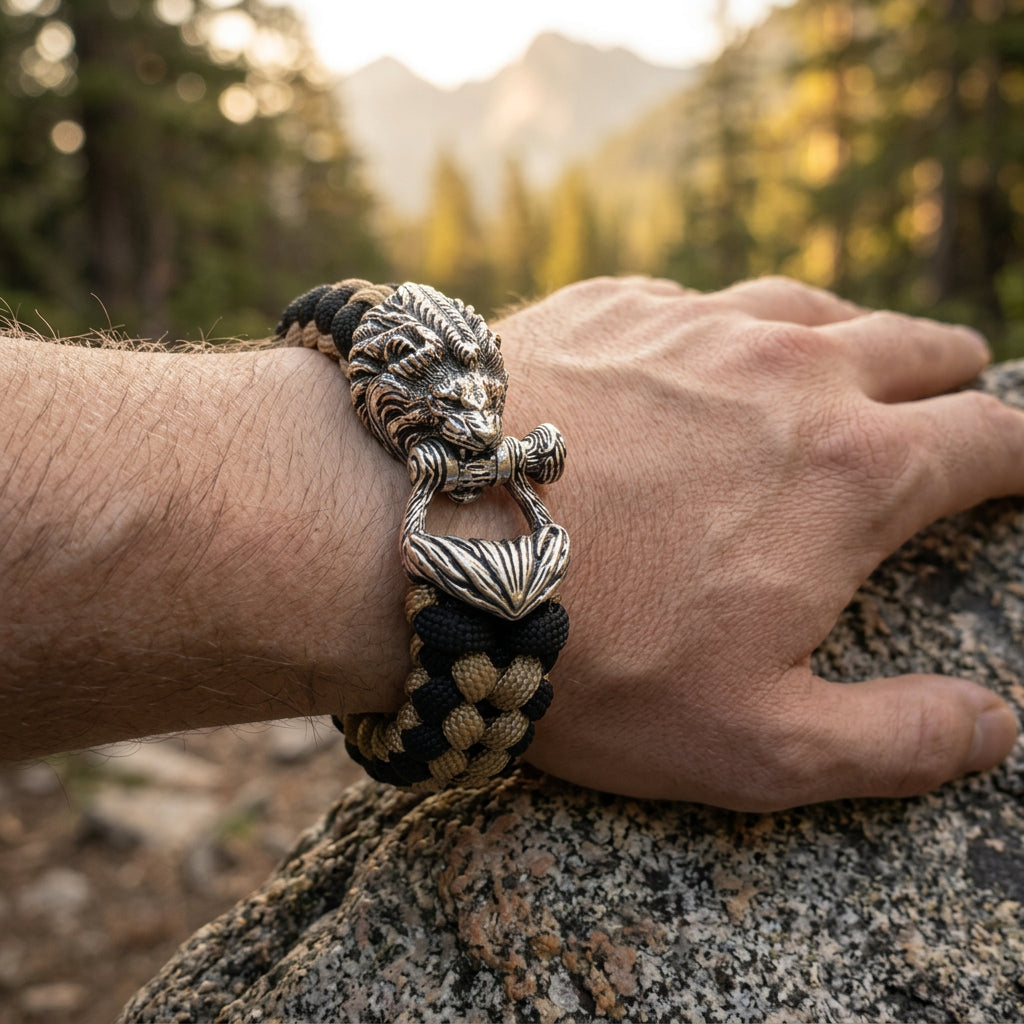
The Direct Answer: You’re Buying a Survival Tool, Not Just a Bracelet
Premium paracord bracelets carry a higher price tag because they’re built from genuine 550 paracord—the same life-saving cord used by US paratroopers—handwoven with complex knotwork by skilled artisans, and topped with rugged, corrosion-resistant hardware. Unlike mass-produced fashion accessories, every strand is a functional emergency kit disguised as a wearable. Think of it like a Swiss Army knife for your wrist: you’re investing in preparedness, durability, and craftsmanship.
Key Takeaways
- Material authenticity: Real 550 paracord has 7 inner strands, each rated for 50 lbs—tested and certified, not decorative.
- Labor-intensive art: A single intricate weave can take 30–90 minutes of focused handwork.
- Hardware matters: Solid brass, stainless steel, or cupronickel clasps resist snapping and rust.
- Lifetime utility: It’s an emergency rope, tourniquet, shoelace, or shelter line—always on your wrist.
- American craftsmanship: Many premium bracelets are handmade in the USA, supporting small workshops and ethical wages.
What Exactly Are We Paying For?
It’s easy to compare a paracord bracelet to a cheap wristband and wonder, “Why the big difference?” The answer lies unseen: the raw materials, the hands that tie each knot, and the hardware that holds it all together. Let’s break it down like you’d break down the price of a fine leather Goodyear-welted boot.
1. The Cord: Not All Paracord Is Created Equal
The backbone of any survival bracelet is the cord itself. Genuine military-spec 550 paracord—often made in the USA—features a nylon outer sheath and 7 inner yarns, each with a tensile strength of around 50 pounds. That’s a total breaking strength of 550 lbs. Cheap imports, in contrast, might use polyester sheaths, 4 or 5 inner strands, or skip the inner core entirely. They look similar on the surface but fail under real stress. When you buy premium, you’re paying for:
- Certified, mil-spec cord that won’t snap during an emergency rappel or shelter tie-down.
- UV and mildew resistance so it won’t rot after weeks in the backcountry.
- Consistent diameter and flexibility for clean, even knots that hold.
2. The Weave: Handcrafted, Not Machine-Assembled
Mass-produced “paracord” bracelets are usually machine-braided sleeves slipped over a thin core, or simple solomon bars run off an assembly line. They lack density and unravel quickly. A genuine handcrafted weave—cobra, fishtail, trilobite, or the complex dragon tooth—requires an artisan’s touch. Each knot is pulled tight by hand, layer by layer, to create a bracelet that’s dense, even, and can be unraveled smoothly when you need it. A hand-tied cobra weave bracelet might pack 12 feet of cord in a 9-inch wrap; a machine knockoff might hold 7 feet of a thinner substitute. That’s almost double the usable line in an emergency.
3. The Hardware: More Than a Buckle
Premium bracelets use hardware that’s cast from solid materials and tested for daily wear. Think of it like the difference between a plastic watch buckle and a milled stainless steel clasp on a dive watch. Common luxury materials include:
- Solid brass: Hefty, develops a unique patina, and won’t crack in freezing temps.
- Cupronickel: Hypoallergenic, resistant to saltwater corrosion, with a warm silver tone.
- Stainless steel 304 or 316L: Surgical-grade, incredibly tough, and polishable to a mirror finish.
These materials add weight and cost—but they ensure the bracelet stays on your wrist (and stays functional) through rock scrambles, river crossings, and years of sweat.
4. Labor and Artistry: The Single Most Undervalued Component
In a studio, not a factory, a skilled maker spends anywhere from 25 minutes (simple cobra) to over an hour (intricate DNA or shark jawbone weave) on a single bracelet. This isn’t just knotting—it’s sculpting paracord. The maker must maintain consistent tension, hide fuse points discreetly, and incorporate custom color patterns without mistakes. When you buy from a brand like BoySouls, part of the price ensures that a real person—not a faceless machine—was paid fairly to create something lasting. It’s akin to buying a hand-thrown ceramic mug vs. a mass-produced one: you feel the humanity in your hands.
Why It Matters: The Value Beyond the Price Tag
The sticker shock fades the moment you understand the bracelet’s dual role: it’s both a daily-wear symbol of resilience and a practical tool for the unpredictable. Consider these value layers:
- Emergency insurance: A premium bracelet holds 8–20 feet of cord that can secure a tourniquet, create a fishing line (using inner strands), rig a tarp shelter, or even replace a broken bootlace. That’s a multi-tool for under $50.
- Durability over trend: Unlike fast-fashion accessories that tarnish or snap, a well-made paracord bracelet lasts years, developing character without failing.
- Story and identity: Many designs (dragon, wolf, bear, oni) carry deep symbolism—courage, protection, warrior spirit. They’re conversation starters and personal totems.
- Made in the USA ethos: Supporting small-scale American makers means higher quality control and keeping traditional crafts alive.
Key Benefits of Owning a Premium Paracord Bracelet
- Unmatched strength: 550 lbs of break strength in a compact, always-accessible form.
- Custom fit: Hand-sized to your wrist—not one-size-fits-none—for a comfortable, secure wear.
- Versatile utility: From camping and hiking to everyday “what-if” scenarios (think: broken car tie-down, impromptu dog leash).
- Low-profile preparedness: Blends into casual or rugged style while ready to deploy.
- Heirloom potential: Unlike plastic alternatives, quality hardware and cord age gracefully.
Buying Guide: How to Spot a Premium Paracord Bracelet Worth Your Money
Not all “paracord” bracelets are built to save the day. Here’s what to look for before you click add to cart:
- Check the cord spec: Confirm it’s “550 paracord” (Type III), and if possible, USA-made by certified manufacturers like Atwood Rope or Rothco. Avoid listings that just say “nylon rope.”
- Feel the weight: A quality bracelet should feel dense, not airy. Compare to a similar profile; heavier usually means more inner strands and better cord.
- Examine the weave tightness: No gaps between knots. Uniform tension prevents catching on gear and ensures a clean unravel.
- Inspect the hardware: Solid, non-plastic clasps with smooth edges. A screw clasp or contoured shackle is easier to self-apply and far stronger than side-release buckles made of cheap plastic.
- Read the maker’s story: Independent brands that talk about their workshop, materials sourcing, and techniques are usually the real deal. BoySouls, for example, highlights the symbolic meaning behind each design and the handcrafting process.
Comparison Table: Premium Handcrafted vs. Mass-Produced Paracord Bracelets
| Feature | Premium Handcrafted (BoySouls) | Mass-Produced Generic |
|---|---|---|
| Paracord type | Genuine 550 paracord, 7-strand, often USA-sourced | Polyester blend, 4–5 strands, unrated |
| Weave technique | Hand-tied cobra, fishtail, trilobite, dragon tooth; dense and uniform | Machine-braided sleeve, loose and prone to unraveling |
| Usable cord length (9-inch bracelet) | 10–18 ft | 6–9 ft |
| Hardware | Solid brass, cupronickel, or stainless steel; rust-resistant | Plastic or zinc alloy buckles; break under tension |
| Customization | Custom colors, symbolic charms, size | Fixed color sets, one size |
| Price | $30–$60 | $5–$15 |
| Lifespan | Years of daily wear, worsens gracefully | Months; fraying, fading, buckle failure |
Real-Life Scenarios Where a Premium Bracelet Proves Its Price
Let’s get out of the theory and into the wild. Here are moments where that $40–$60 bracelet pays for itself tenfold:
- Backcountry hiking mishap: A buddy’s bootlace snaps 6 miles from the trailhead. You extract 5 feet of inner strand, thread it through, and keep moving. Cheaper cord would have snapped under the strain.
- Unexpected overnight: A day hike turns into an unplanned camp. The bracelet unravels into a ridge line for a tarp, secures gear, and provides inner threads for fishing.
- Roadside emergency: You need to secure a loose load on your roof rack. The paracord’s strength and length outmatch any bungee cord you’d have in the trunk.
- Gift with meaning: Giving a dragon bracelet to a college graduate or an oni bracelet to a martial arts practitioner—it’s a symbol of resilience that also happens to be functional. Far more memorable than a generic leather band.
Care Tips: Protecting Your Investment
A premium paracord bracelet is low-maintenance but not indestructible. Extend its life:
- Clean gently: Hand wash with mild soap and lukewarm water. Avoid bleach or harsh detergents that degrade nylon.
- Dry thoroughly: After submersion, let it air dry completely to prevent mildew on the inner core. Don’t machine dry.
- Inspect hardware: Every few months, check clasps for any sign of loosening. A tiny drop of threadlocker can keep screws secure.
- Know when to retire: If the outer sheath frays deeply or the bracelet has been deployed in a life-saving situation, treat it as single-use and replace it—the integrity may be compromised.
FAQ: Answering Your Honest Questions About Price
1. Why is a paracord bracelet $40+ when I can buy a “similar” one for $10?
The $10 version typically uses imitation cord with lower breaking strength, far less length, and plastic hardware that snaps under load. A true 550 paracord bracelet with hand-tied knots and solid metal clasp reflects the cost of materials, labor, and functionality—the same reason a quality chef’s knife costs ten times a supermarket one.
2. Is 550 paracord really necessary? Can’t I just use regular nylon rope?
550 paracord was designed for parachute suspension lines. It’s engineered for high tension, abrasion resistance, and consistent performance. Regular nylon rope lacks the same tensile rating and often has no inner core for fine tasks (like sutures or fishing line). You buy it for the same reason you’d choose a rainproof GORE-TEX jacket over a cheap poncho—reliability.
3. How can I tell if a bracelet is handcrafted vs. factory-made?
Look at the weave ends: handcrafted bracelets will have the cord ends carefully cut and melted flush with the back, or hidden inside the weave. The pattern will be symmetrical and tight. Machine-made versions often have visible glue, irregular spacing, and feel hollow. A reputable maker will also show close-up photos of their work and explain the process.
4. Will the metal hardware irritate my skin or cause allergies?
Premium hardware like cupronickel or stainless steel is hypoallergenic and widely used in jewelry. If you have extreme nickel sensitivity, look for solid brass or 316L stainless options. BoySouls specifies hardware materials clearly so you can choose what works for your skin.
5. Can a premium paracord bracelet really hold my weight in an emergency?
A single strand of 550 paracord is rated for 550 lbs vertical load under controlled conditions. That doesn’t mean the bracelet itself (with its knotted configuration) will hold a full body fall—knots reduce rope strength by up to 30–50%. It’s suitable for securing gear, building shelters, making a tourniquet, or assisting in a safe pull, not recreational climbing. Always use proper climbing rope for suspension.
6. How much cord will I actually get from one bracelet?
Depending on weave and wrist size, a standard cobra bracelet around 9 inches contains roughly 12 feet. A wider king cobra or fishtail can hold 18–20 feet. That’s enough to tie a ridgeline, lash branches, and still have inner strands for fine tasks.
Who Should Buy a Premium Paracord Bracelet?
- Outdoor enthusiasts: Hikers, campers, hunters, and anglers who value preparedness without extra weight.
- Everyday carry (EDC) practitioners: Those who believe in functional accessories—a Leatherman in one pocket, a paracord bracelet on the wrist.
- Men seeking meaningful style: Move beyond minimalist metal cuffs and embrace rugged, symbolic jewelry that tells a story.
- Gift shoppers: A bracelet like the BoySouls Dragon or Bear design makes an unforgettable gift for a son, father, or friend embarking on a new chapter.
- Skeptics of cheap gear: If you’ve ever been burned by a “survival tool” that failed when you needed it most, a premium bracelet is peace of mind.
Conclusion: The Price Makes Sense When You Know What’s Inside
A premium paracord bracelet isn’t an overpriced accessory; it’s an understated piece of insurance, handcrafted with care and built from components that would feel just as familiar in a military rigging kit as on your wrist. The initial investment covers certified materials, artisanal knotwork, hard-wearing hardware, and the quiet confidence that comes from being prepared. When you compare that to a $15 knockoff that unravels at the first tug, the real question isn’t “Why is it so expensive?” but “Can you afford not to have one?”
Ready to experience the difference? Explore BoySouls’ collection of handwoven paracord bracelets—each one a fusion of ancient symbolism and modern survival utility. Find the one that speaks to your journey.
Share:
The True Cost of a Premium Paracord Bracelet (And Why It’s Worth Every Cent)
The Real Value Behind Premium Paracord Bracelets: Why They’re Worth the Price