

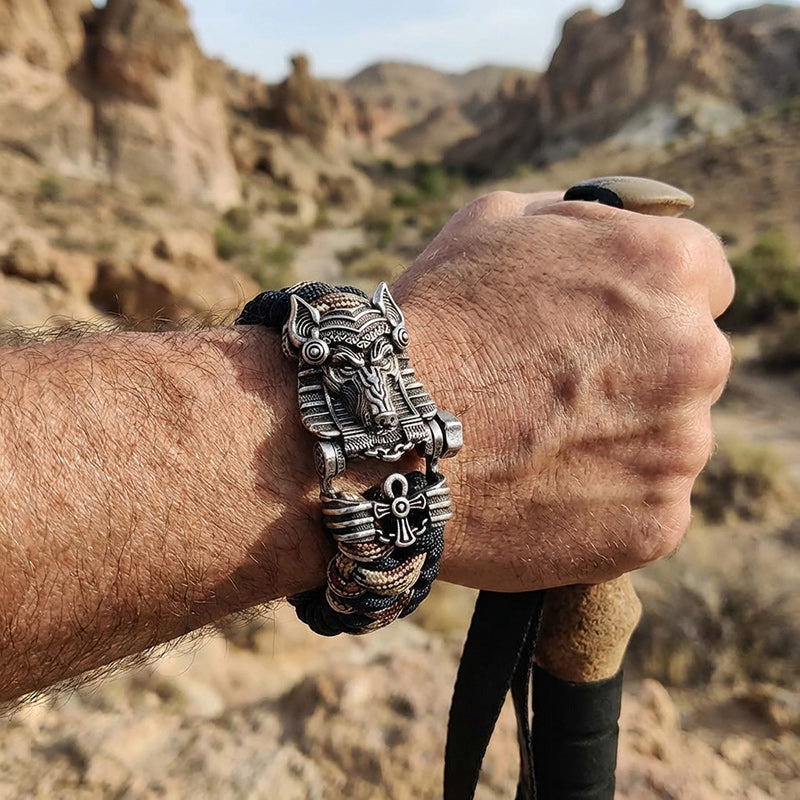
The True Cost of a Premium Paracord Bracelet (And Why It’s Worth Every Cent)
The bottom line: A high-end paracord survival bracelet costs more because you’re paying for military-grade 550 cord, expert hand-knotting, metal hardware sourced from aerospace suppliers, and a tool that can hold 550 pounds of emergency rope on your wrist. It’s the difference between a disposable gadget and a piece of heirloom-grade readiness equipment.
What Exactly Is a Premium Paracord Bracelet?
A paracord bracelet isn’t just a fashion statement—it’s packed survival gear disguised as rugged jewelry. Premium versions use genuine Type III 550 paracord (the same cord that kept parachutes alive) woven tightly by hand, often with custom braids, solid brass or cupronickel screw clasps, and integrated fire starters or whistle buckles. BoySouls bracelets, for instance, pack 10 to 12 feet of cord into a single bracelet, enough to hoist a bear bag, build a shelter, or splint a broken arm.
Why It Matters: Understand Value Before Sticker Shock
When you see a $45–$85 handmade paracord bracelet next to a $9.99 mass-produced one on a rack, the knee-jerk reaction is “Why the markup?” Think of it like this: that cheap bracelet is the equivalent of a gas-station multi-tool that breaks on the first twist. A premium bracelet is a Leatherman—or even better, a custom Benchmade knife. One will save you in the backcountry; the other will leave you stranded with a tangled mess of thin, weak cord.
Key Takeaways: Why the Price Tags Differ
- Real 550 cord vs. fashion cord: Premium bracelets use 7-strand nylon paracord rated for 550 lbs. Knockoffs use polyester with a few weak inner strands.
- Hand tied, not machine glued: A skilled artisan spends 25–45 minutes on a single bracelet. No glue, no shortcuts.
- Metal components matter: Solid brass, copper, or stainless steel clasps resist rust and wear. Drugstore versions snap under tension.
- Survival density: You get more cord per inch—10+ feet in a slim profile—meaning a genuine tool, not a costume prop.
- Ethical, small-batch production: Every BoySouls bracelet is made by hand in limited runs, ensuring quality control and fair labor.
Inside the Workshop: The Blend of Craft, Rarity, and Labor
True hand-making paracord gear is slow. A single cobra weave bracelet demands precise tension, clean ends burned with a torch (never a lighter), and a perfectly mated clasp. The longer “King Cobra” or “Dragon Scale” braids can take over an hour. There’s no assembly line—just one pair of hands per piece. This level of attention is why small-batch American brands, from custom leatherworkers to bourbon distillers, command premium prices. That bracelet represents hours of refined technique, not minutes of machine stitching.
The Analogies That Make It Click
- Swiss watches vs. digital beepers: Both tell time, but your Swiss mechanical will be passed down. A handmade paracord bracelet gets better with age, developing a patina on the brass clasp, while the plastic one fades and breaks.
- Hand-stitched leather boots vs. sneakers: The upfront cost is higher, but resole-ready boots last a decade. The same logic applies: a premium bracelet can survive a decade of daily wear and a real emergency.
- Craft beer vs. macro lager: You pay more for small-batch flavor and ingredients. Here, you pay for real 550 cord, a three-dimensional weave, and components tested in harsh conditions.
Key Benefits of Investing in a Quality Paracord Bracelet
- Actual emergency readiness: 10+ feet of 550 lb test cord is enough to create a tourniquet, build a makeshift fishing line (using inner strands), or secure a tarp.
- All-day comfort: Crafted bracelets are softened by hand so they don’t itch or snag arm hair like poorly finished nylon.
- Signature style: From gunmetal snake knots to carved Oni clasps, these aren’t generic wristbands—they make a personal statement.
- Zero waste, full utility: If you never unwrap it for survival, it’s a long-lasting accessory. The moment you need cord, it’s a lifeline. No other accessory offers that dual purpose.
- Corrosion-proof hardware: Marine-grade metals ensure your bracelet won’t seize up or turn green after a weekend of sweat and river crossings.
Real-Life Scenarios Where a Quality Bracelet Earns Its Keep
The Mountain-Bike Bailout: You’re 8 miles from the trailhead and your gear strap snaps. Unravel the bracelet, lash your pack to the rack, and ride out without a thought.
The Backcountry Improv Shelter: A sudden storm rolls in. Two bracelets’ worth of cord stretch a taut ridgeline between trees, securing a tarp in minutes.
The Groomsmen Gift That Actually Gets Used: Instead of a flask that gathers dust, give a custom paracord bracelet engraved with each guy’s initial on the clasp. It’s functional, sentimental, and badass.
The Everyday Dad Carry: You’re at the playground and a swing rope frays. Pop the bracelet and reinforce the seat until maintenance arrives—hero status unlocked.
Comparison Table: Cheap vs. Premium Paracord Bracelet
| Feature | Mass-Produced ($5–$15) | Handcrafted Premium ($40–$85) |
|---|---|---|
| Core Cord | Polyester shell, 2–3 inner strands, ~300 lb limit | Nylon 550 Type III, 7-strand core, rated 550 lbs |
| Weave Quality | Machine glued, loose knots, uneven tension | Hand-tied, torch-sealed ends, consistent density |
| Clasp Material | Zinc alloy or plastic side-release | Solid brass, cupronickel, or stainless steel screw clasp |
| Cord Length | 5–8 feet | 10–16 feet (depends on weave) |
| Comfort | Sharp edges, plastic sweat rash | Pre-worn smooth, hypoallergenic metal |
| Lifespan | Weeks to months | Years with proper care |
Buying Guide: What to Look for in a Premium Bracelet
Before you spend a dime, check these boxes:
- Certified 550 cord: Ask if it’s genuine MIL-C-5040H Type III. If the brand can’t answer, walk away.
- Clasp mechanism: A screw clasp stays secure underwater and won’t pop open when snagged. Magnetic or simple side-release clasps fail in real-world stress.
- Weave style: For maximum cord per inch, go with a King Cobra or Fishtail weave. For a slimmer profile, a Solomon bar (cobra) keeps things low-key.
- Size and fit: Measure your wrist with a string—not a tape—and choose a bracelet that fits snugly but can slide over your hand with a twist. A good maker will offer specific sizing, not just S/M/L.
- Bonus survival elements: Some premium pieces integrate a fire rod and striker in the clasp. That’s a fire source, tinder (inner strands), and cordage in one unit.
Care Tips to Protect Your Investment
A premium bracelet only gets better with age, but a few habits prevent unnecessary aging:
- Rinse after saltwater: Salt crystals abrade nylon and corrode metal. A quick freshwater rinse and air dry goes a long way.
- Keep it out of prolonged direct sun: UV rays can fade dye over years. Treat it like you would a nice pair of sunglasses.
- Polish the clasp sparingly: Use a dry microfiber cloth on brass or cupronickel to keep a warm glow. Avoid chemical dips that might seep into the knotting.
- Store flat or coiled: When not worn, don’t stuff it in a sweaty gym bag. Let it rest on a dresser valet tray.
- Inspect the ends: A once-a-year look at the burnt ends under good light ensures no fraying is starting.
FAQ: Your Price-Value Questions, Answered Directly
- Why do some paracord bracelets cost over $60?
- You’re paying for 7-strand 550 military cord, solid metal hardware, 30+ minutes of handcrafting, and the assurance that it will work when your safety depends on it. Every BoySouls bracelet meets that standard.
- Are cheap paracord bracelets useless in an emergency?
- They’re dangerously unreliable. The “cord” often snaps under body weight, and the plastic buckle shatters when it gets cold. They’re costume pieces, not tools.
- Can I really carry 10 feet of cord on my wrist comfortably?
- Yes—hand-knotting compresses the cord tightly so a slim band holds tremendous length. Many people forget they’re wearing it until a situation demands it.
- Is a screw clasp hard to put on by myself?
- Not at all. Once you learn the twist-and-seat method (about 5 seconds of practice), it becomes second nature. Plus, it’s silent, secure, and never accidental-pops.
- How do I know if my bracelet is real 550 cord?
- Cut a small piece from a discarded bracelet and count the inner strands: 7 nylon yarns inside a woven sheath. If you see 1–3 strands, it’s impostor cord.
- Does the color affect durability?
- No—color is cosmetic. However, darker, UV-stabilized dyes maintain their look longer when exposed to daily sunlight.
Who Should Buy a Handcrafted Paracord Bracelet
- The Prepared Minimalist: You carry only what fits on your body—and a bracelet that doubles as your survival cord is the ultimate EDC win.
- The Gift Giver Who Hates Clutter: A premium bracelet replaces three gadgets and becomes a story piece. Ideal for groomsmen, graduates, or dad.
- The Outdoor Enthusiast: Day hikers, paddlers, and climbers who understand that lightweight durability saves lives.
- The Style-Conscious Professional: Rugged brass and dark paracord complement flannel, denim, or even a business-casual jacket when you want texture, not bling.
Conclusion: The Bracelet That Has Your Back
Premium paracord bracelets dwell at the intersection of utility and craftsmanship. They aren’t about flashy labels; they’re about silent capability. The next time you compare prices, remember: that extra cost translates into a tool that won’t fail you, accessories that age gracefully, and a piece of American small-batch ingenuity wrapping your wrist. If you’re ready to move from disposable trinkets to deliberate gear, explore the BoySouls collection—each bracelet is woven with the backcountry in mind and the city in view.
Share:
Why Handmade Paracord Bracelets Cost More: The Hidden Value Behind Premium Survival Gear
Why Premium Paracord Bracelets Cost More: Unraveling the Craft, Materials & Value